Published on Jun 4, 2026
Are the US really in stagflation?
Federico Polese
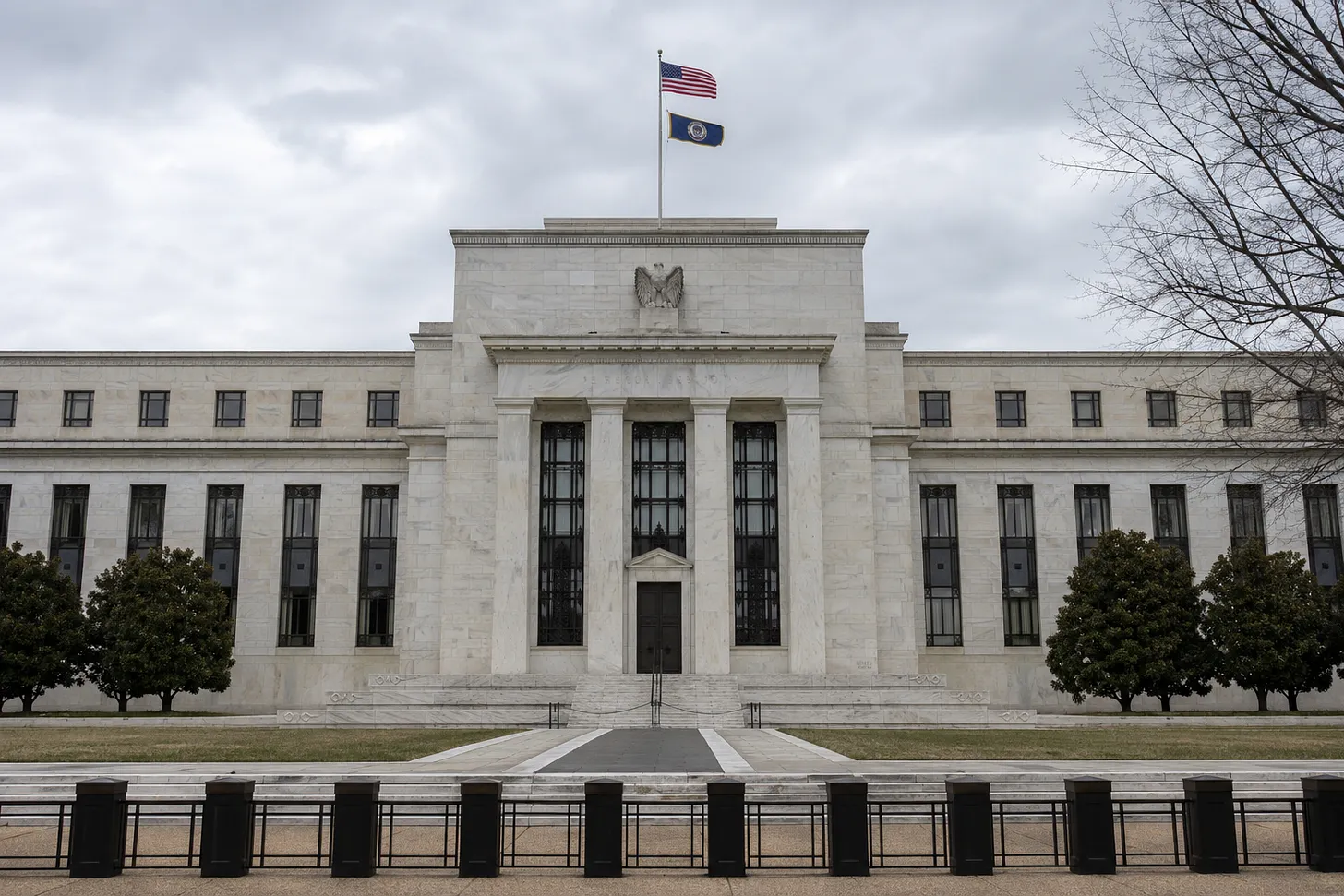
The U.S. is not experiencing a 1970s-style collapse. Instead, it is locked in a high-tension “stagflation-lite” regime where structural productivity and high-income spending are keeping the economy afloat, while severe tariff and energy costs keep inflation uncomfortably high and force the Fed to maintain punishingly restrictive interest rates
Here is how the U.S. stagflationary environment has evolved over the past two months:
1. Inflation Accelerates: The Tariffs and Energy Bite
The disinflationary trend has decisively stalled, confirming the persistent inflation threat. Staff estimates for March showed total PCE inflation accelerating to 3.5% and Core PCE rising to 3.2%. The Federal Reserve explicitly attributes this resurgence in core goods prices to the direct pass-through of the new tariff regime. This is being compounded by a sharp increase in global energy and fertilizer prices tied to the Middle East conflict. FOMC members are increasingly concerned that the combination of these supply shocks could cause inflationary pressures to become broadly embedded, potentially de-anchoring long-term inflation expectations.
2. Growth: The Illusion of Stagnation
U.S. economic momentum actually improved in April, masking trade-related GDP distortions. The Chicago Fed National Activity Index (CFNAI) rebounded sharply to +0.14 in April (up from –0.15 in March), indicating that economic growth has ticked back above its historical trend. While headline GDP has been highly volatile due to a historic surge in imports (as businesses defensively front-loaded shipments ahead of tariffs), Real Private Domestic Final Purchases (PDFP)—a much cleaner metric of true consumer and business spending—grew at a solid, accelerated pace in the first quarter. Analysts and the Fed note that strong capital investments, particularly in AI and technology infrastructure, are driving robust labor productivity. This productivity boom is allowing the economy to grow and absorb higher input costs without completely crushing corporate margins.
3. The Labor Market & Consumer: A “Barbell” Cautiousness
The domestic economy is exhibiting surface-level stability, but beneath the hood, extreme caution and bifurcation are taking hold. The labor market is stabilizing rather than collapsing. The unemployment rate held relatively steady between 4.2% and 4.3% in March and April. However, job openings remain flat at 6.9 million, and hiring is subdued. Businesses are highly reluctant to hire permanent workers due to immense uncertainty regarding trade policies and AI adoption. Consumer spending is showing a mild real recovery, with the Chicago Fed projecting April inflation-adjusted retail sales (excluding autos) to increase by +0.3%. However, the “barbell” effect is intensifying: higher-income households continue to spend, while lower- and middle-income households are heavily strained by the cumulative price increases in energy and basic goods, forcing them to aggressively hunt for discounts and trade down.
4. The Fed’s Tightrope: A Hawkish Hold
Caught directly between these conflicting forces, the Federal Reserve is paralyzed. At the historic April 28–29 meeting, the deeply fractured FOMC voted to hold the federal funds rate at a restrictive 3.50% to 3.75%. Because upside risks to inflation and downside risks to employment are both elevated, a hawkish majority indicated a desire to remove their previous “easing bias,” signaling that rate hikes could be back on the table if inflation remains sticky.
Conversely, a dovish minority (including a formal dissent in favor of a rate cut) warned that keeping rates this high in a “low-hire” environment could eventually trigger a sharp, sudden spike in unemployment.