Published on Apr 14, 2026
Navigating the New Disorder: Six Lessons from the Current Crisis
Federico Polese

The following six lessons from the current crisis show why disciplined, model-driven risk management has never mattered more. This is the environment where 20Quant's systemic risk models are tested and thrive, identifying unusual shifts under the surface and providing portfolios against scenarios most investors still refuse to imagine. Trade the short-term TACO bounce, but don't let it stop you from building structural protection against a world that looks increasingly like the late 1930s.
1. The TACO Trade — Buy the Dip (BTD)
Trump “Always Chickens Out” when markets or politics push back hard enough, as confirmed by the recent relief rally. Since Trump treats equity prices as a personal scorecard and Bessent watches bond yields closely, sharp sell-offs triggered by policy shock tend to be relatively short-lived. Actionable: maintain a systematic dip-buying discipline on macro-driven, policy-induced drawdowns, rather than panic-selling.
2. System Resilience Supports Risk Assets
Markets have repeatedly absorbed major shocks (Covid, Ukraine, tariffs) without systemic collapse, partly thanks to extensive stress-testing of the financial system. Actionable: don’t structurally underweight equities purely on macro fear — the plumbing has held so far. But stay alert to non-bank finance as a growing fault line.
3. Dollar/US Asset Dominance Persists
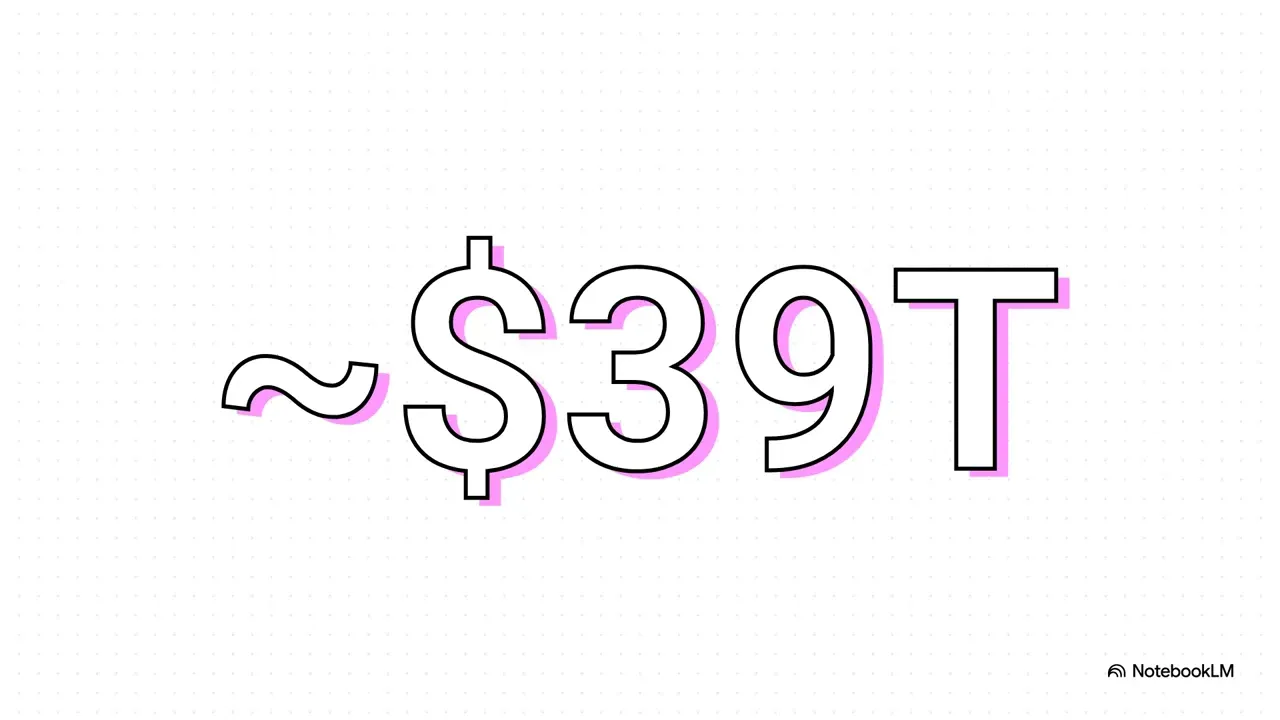
Despite anti-American sentiment and the ~$39tn debt overhang, global investors still flock to US capital markets in risk-off episodes. Actionable: a meaningful US allocation remains a valid safe-haven anchor in the short-to-medium term, but the long-run dollar-supremacy risk is growing and warrants gradual diversification.
The Three “Less Reassuring” Lessons (structural/long-term)
4. “Molecules Matter”. Physical Supply Chains Are Under-Priced
Energy, petrochemicals, and physical commodities underpin the digital economy but have been discounted by markets. Supply chain disruptions already embedded from the recent conflict in the Middle East may not yet be fully priced in. Actionable: consider adding exposure to energy, commodities, and commodity-adjacent infrastructure. Watch for stagflation hedges (TIPS, commodity ETFs, energy equities).
5. Geopolitical Chokepoints Are Structural Risks
The Strait of Hormuz, rare-earth supply chains, and pharmaceutical inputs are beyond Western control and increasingly vulnerable. Markets typically don’t reward companies that invest in supply-chain resilience, meaning the risk is systematically under-priced. Actionable: look for companies with diversified or near-shored supply chains; be cautious on businesses with concentrated exposure to single-source inputs or vulnerable shipping routes. The supply-chain layer between macro and micro — deserves more weight in stock selection.
6. Price “Unimaginable” Disasters — Buy Tail-Risk Insurance
Ray Dalio’s warning (we may be in something analogous to 1938–39) and Bill Ackman’s reported “complacency trade” fund both point to a structural under-pricing of catastrophic tail risk. The success of the TACO trade actively breeds complacency. Actionable: allocate a small but deliberate budget to tail-risk iformations — 20Quant’s Turbolence Index but also LPPLS-GSY models and consequent QVMRD equity selection.